
Preparing for Pregnancy: How We’re Getting Ready to Conceive
There is something really grounding about intentionally preparing for a new chapter, especially one as life changing as starting a family. For us, this season has not been about doing everything perfectly or following a strict routine (although the temptation is there). It has been more about creating a lifestyle that feels supportive, realistic, and sustainable for now but also leading into the next steps in life. If you are in a similar phase, I wanted to share what this has looked like for us so far. From supplements and nutrition to tracking cycles and shifting our everyday habits, this is how we are approaching it.
Taking a More Proactive Approach to Health
Before adding anything new, one of the first things we prioritized was understanding where we were starting from. I booked a few appointments, ran some basic bloodwork, and had conversations about any potential deficiencies or concerns. Even when everything comes back within a normal range, there is something reassuring about having that baseline. It also helped me make more informed decisions about supplements instead of guessing or following every recommendation I saw online. For example, I found out that I need a higher level folate supplement due to other medications I take, and I needed to start taking all of these 3 months before conception. I think it is easy to feel like you need to do everything at once in this phase, but having that clarity helped me keep things simple.
Supplements We Are Focusing On
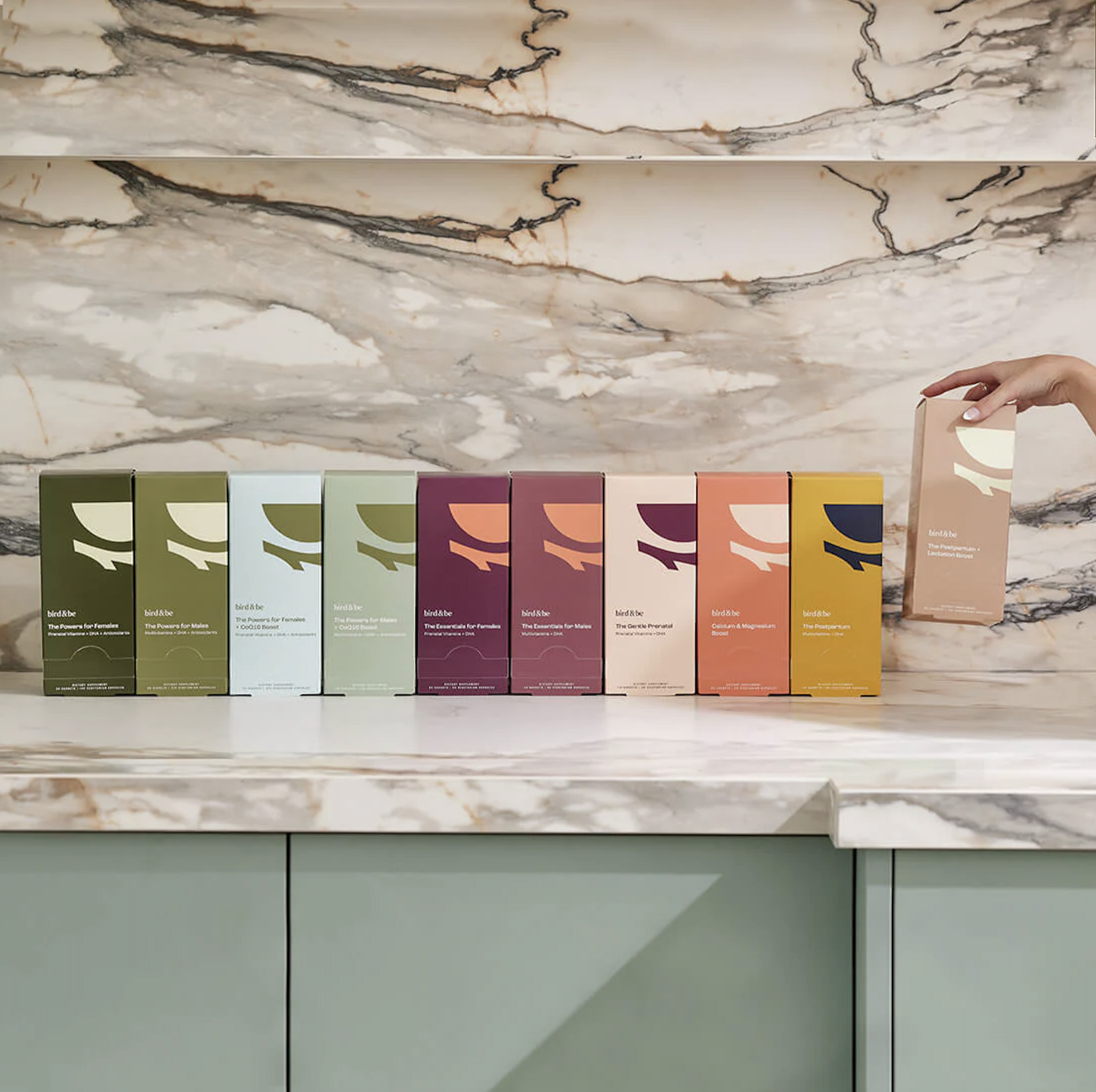
I have tried to approach supplements in a way that feels consistent and manageable. I did not want a routine that felt overwhelming or hard to stick to. A prenatal vitamin has been the foundation for me. I started taking one a few months before we plan to conceive so that my body has time to build up key nutrients like folate, iron, and B vitamins. These are especially important in those early weeks before you even know you are pregnant. I have also added in an omega three supplement with DHA. This supports brain development and overall hormone health, and it felt like an easy addition. Vitamin D has been another focus, especially living in Calgary where we are not always getting consistent sunlight. Magnesium has also been something I have incorporated, mostly for sleep and stress support. It has made a noticeable difference in how I wind down at night which is a bonus. This is the one that I’m taking
For my partner, we have had a lot of conversations around his role in this as well. It is easy to forget that fertility is not just on one person. He has been focusing on overall health and has also been taking a Male ‘Prenatal’ Vitamin mix that includes all the right things like zinc, vitamin C, and just being more mindful about sleep, stress, and nutrition. Our favourites are Bird&Be and the male version is linked here.
Tracking My Cycle Without Overcomplicating It
Learning more about my cycle has honestly been one of the most empowering parts of this process. Instead of guessing or relying on general timelines, I have been able to understand what my body is actually doing. I have been using apps like Natural Cycles, Flo, and my Oura ring app. They all offer slightly different insights, but I have found that consistency matters more than which one you choose. Logging symptoms, cycle length, and even mood has helped me start to see patterns (post ovulation is an angsty phase…). I have also used ovulation predictor kits during a few cycles just to better understand timing. At the same time, I have been really aware of not letting tracking become stressful. The goal for me has been awareness, not pressure. There is a fine balance there, and I am still figuring it out.
Nutrition That Feels Supportive, Not Restrictive
Instead of overhauling everything, I have focused on small shifts that I can actually maintain. The goal has been to eat in a way that supports hormone health and energy without feeling restrictive. Protein has become a priority in my meals. I have been leaning on things like pulled chicken, protein yogurt in the mornings, and simple options that fit within my dietary needs. I have also been trying to incorporate more fruits, leafy greens, and easy salads that do not feel like a chore to prepare. I went to a nutritionist last year, and she helped me realize I wasn’t eating enough, and I wasn’t getting nearly enough protein,
Healthy fats have been another focus. Things like olive oil and avocado have been easy additions that help meals feel more balanced and satisfying. Plus they are easy to add to lunch and dinners and avocado with TJ’s Everything Bagel seasoning is a snack staple.
Hydration is something I did not pay enough attention to before, but it plays such a big role. I have been making more of an effort to drink water throughout the day, especially when I am active. It sounds simple, but it has made a difference.
I have not approached this with an all or nothing mindset. I am being more mindful of alcohol and caffeine, but I am not trying to be perfect. That balance has made it feel much more sustainable, but its also taken the pressure off a bit. As we’ve been getting into it, I will make sure that during ovulation and during the luteal phase, I won’t have any alcohol just in case. I’ve read both that this matters and doesn’t matter, so its up to you as to what you do.
Movement That Supports My Body

With my shoulder injury, I have had to be intentional about how I move my body. My walking treadmill has been my go to during the cold winter weather, along with lighter strength work and mobility. I’ve just been able to move back into yoga and a couple pilates classes which has been great. The focus has shifted from pushing intensity to building consistency. Movement that supports circulation, reduces stress, and helps me feel strong has been the priority. This phase has really changed how I think about exercise. It is less about how it looks and more about how it supports what is ahead. I’ve been using my Oura and Natural Cycles app to track my cycle and it’s been beneficial to at least tailor my workouts and rest based on where I’m at.
Managing Stress in a More Intentional Way
This has probably been one of the biggest mindset shifts for me. Stress is always going to be there, but I have been more aware of how I respond to it. I have been trying to create slower mornings, spend more time outside, and limit screen time in the evenings. I have also been more protective of my energy, saying no when something does not feel aligned or when I know I need rest. There is also an emotional side to this phase that I did not fully expect. It is exciting, but there is also a level of uncertainty. And getting off of hormonal birth control has been a wild ride, and getting used to the phases of my hormones has been a lot. It helps to have a patient partner regardless of where you are in the planning phase because this process can easily shift into regimented and stressful. I have been trying to give myself space to feel both excited without overthinking it.
One of the avenues I have been exploring with my nerve pain has been the potential that grief, trauma and stress has been influencing the pain I’ve been feeling, and its my nervous system that is so sensitive that is causing me issues. That being said, I’ve been trying to keep my stress as low as possible, choosing not to engage in difficult conversations if they aren’t necessary or choosing to say no if it could lead to stress. I’m needing to keep things a lot less stressful lately and it’s been what works for both pregnancy prep and nerve pain.
I also have went back to a meditation process and it’s been lifechanging. It was so beneficial 7 years ago and I’m so grateful to be able to drop back in. Right now it’s just guided meditation, but I’m grateful to be there and be a part of a space. My teacher currently rotates through various versions of meditation and so it’s a bit different each time. I love it because it encourages me to think differently about meditation and try different techniques.
Sleep and Recovery
Sleep has become something I take much more seriously. It is one of the biggest factors in hormone health, and I can feel the difference when I am consistent with it. I have been sticking to a more regular bedtime, limiting screens before bed, and creating a simple routine that helps me wind down. Magnesium has helped here as well, especially on nights where my mind feels busy. Even small improvements in sleep have had a noticeable impact on how I feel during the day and keeping track of my sleep hygiene via the Oura app has been very helpful. Don’t get me wrong, I have days with close to no sleep, and I’m beginning to learn its also a trend in my cycle.
Creating a More Supportive Environment
We have also started to think about our environment in a more intentional way. This includes things like switching to cleaner household products and being more mindful of what we are using on our skin. It is not about doing everything perfectly, but about making gradual changes that feel manageable. At the end of the day, preparing to conceive has felt less like a checklist and more like a shift in how we are living. It is about building a foundation that feels supportive for both of us. I’ve been trying to get all the painting and staining projects out of the way ahead of time because all those fumes aren’t going to be condusive to a safe environment.
What We Are Hearing from Friends About Early Pregnancy
As soon as you start talking about trying for a baby, the advice starts coming in. Some of it overlaps, some of it is completely different, but there are a few things we have heard consistently from friends who have already gone through this.
Getting Your Care Team in Place Early: One of the biggest pieces of advice has been to start building your care team as soon as you find out you are pregnant. This can include your family doctor, an OB, or a midwife depending on what kind of care you are looking for. Here in Calgary, we have heard that midwives can fill up quickly, so reaching out early can make a big difference if that is the route you are considering. A few friends have also talked about working with a doula. While they are not medical professionals, they offer support during pregnancy, labour, and postpartum. Having that additional support seems to make a big difference in how prepared people feel going into birth. Here’s a quick list for reference:
Family Doctor
OB
Midwife
Doula
Learning Without Overwhelming Yourself: There is so much information out there, and it is easy to feel like you need to learn everything right away. What we have heard instead is to keep it simple at the beginning. Understanding your care options and what the first few appointments will look like is enough. You do not need to have every detail figured out right away.
Planning Ahead Financially: This is something that really stood out to me. If you are self employed, enrolling in Employment Insurance early is important. In Canada, you need to opt into the program for self employed individuals at least twelve months before you plan to claim benefits. A few people mentioned wishing they had known this earlier because it impacts your ability to take maternity leave with income support. Even beyond that, thinking about your budget and how your income might shift during maternity leave is worth doing sooner rather than later. It does not have to be complicated, but having a plan helps. Paying down debt ahead of preganancy, or at least having a plan for saving is key.
Thinking About Childcare and Leave Earlier Than You Expect: This one surprised me, but it has come up multiple times. Childcare waitlists can be longer than expected, so even starting to research options early can be helpful. The same goes for conversations with your partner about parental leave. Understanding how you want to divide time and responsibilities can make the transition feel smoother later on.
Building Your Village: One of the most meaningful pieces of advice we have heard is to build your village early. Whether that is family, friends, or other moms, having people you can lean on matters. This might look like joining local groups, connecting with people in a similar stage of life, or simply being more open about what you might need. Pregnancy and postpartum can be such a mix of emotions, and having support already in place can make a big difference. Find people that are genuinely excited for your journey and spend lots of time with them, their positivity and excitement will feed you.
Letting Yourself Take It One Step at a Time: Almost everyone has said some version of this. You do not need to figure everything out right away. It is easy to feel like you need to plan everything immediately, but pregnancy is a gradual process. You have time to learn, adjust, and make decisions as you go. If anything, the most consistent advice we have heard is to stay present and take it one step at a time.
This season has already felt like such a meaningful shift for us. It is not just about preparing for a baby, but most importantly it is about creating a life that can support one, in a way that still feels like us.
Love, M